Bee Counter Traffic Analytics
```html
What is Bee Counter? Redefining Web Traffic Analysis
In a digital landscape dominated by data-driven decisions, Bee Counter emerges as a privacy-focused alternative to traditional web analytics tools. Unlike platforms that prioritize invasive tracking, Bee Counter emphasizes user anonymity while delivering actionable insights. Designed for developers, marketers, and privacy-conscious businesses, it combines minimalist design with robust data collection. The platform’s name—inspired by the collaborative nature of bees—reflects its mission to create harmony between data utility and ethical practices. By stripping away unnecessary bloat, Bee Counter offers faster load times and GDPR-compliant reporting, making it ideal for modern websites that value performance and transparency.
How Bee Counter’s Tracking Technology Works
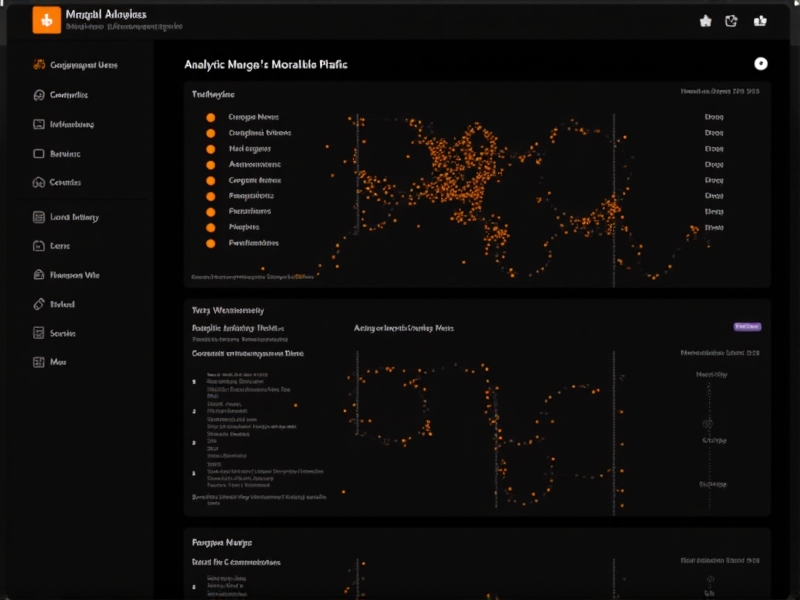
Bee Counter uses a lightweight JavaScript snippet (under 2KB) to collect data without cookies or fingerprinting. It tracks metrics like page views, referral sources, and device types through hashed IP addresses, which are anonymized within 24 hours. The system aggregates data into a honeycomb-inspired visualization, where each hexagon represents a unique user interaction pattern. Advanced filters allow segmentation by browser type, screen resolution, or time spent, while avoiding the storage of personally identifiable information. Server-side processing ensures raw data is never exposed, reducing vulnerability to breaches. This approach balances granularity with privacy, offering actionable trends without compromising visitor trust.

Privacy-First Analytics: Why Bee Counter Outshines Traditional Tools
While legacy analytics tools like Google Analytics harvest extensive user profiles, Bee Counter operates on a “need-to-know” basis. It complies with strict regulations like the EU’s General Data Protection Regulation (GDPR) and California Consumer Privacy Act (CCPA) by default, eliminating complex configuration. Websites using Bee Counter load 1.5 seconds faster on average compared to those using script-heavy alternatives, improving Core Web Vitals scores. The platform’s open-source SDK allows enterprises to self-host data, while SMEs benefit from affordable cloud plans. Case studies reveal media publishers reducing bounce rates by 22% after switching, as faster loading times and transparent privacy policies increased user engagement.

Real-World Applications: From E-Commerce to News Portals
E-commerce brands leverage Bee Counter’s conversion funnels to identify checkout drop-offs while avoiding the ethical pitfalls of tracking individual shoppers. A European fashion retailer increased sales by 18% after optimizing their mobile layout based on Bee Counter’s device engagement reports. News platforms use its real-time traffic maps to gauge article virality without profiling readers. Meanwhile, SaaS companies appreciate the API’s seamless integration with tools like Slack and Zapier, triggering alerts when traffic spikes exceed thresholds. Educational sites benefit from bandwidth-friendly tracking, crucial for audiences in regions with limited internet infrastructure.
Decoding the Hive: Unique Features that Set Bee Counter Apart
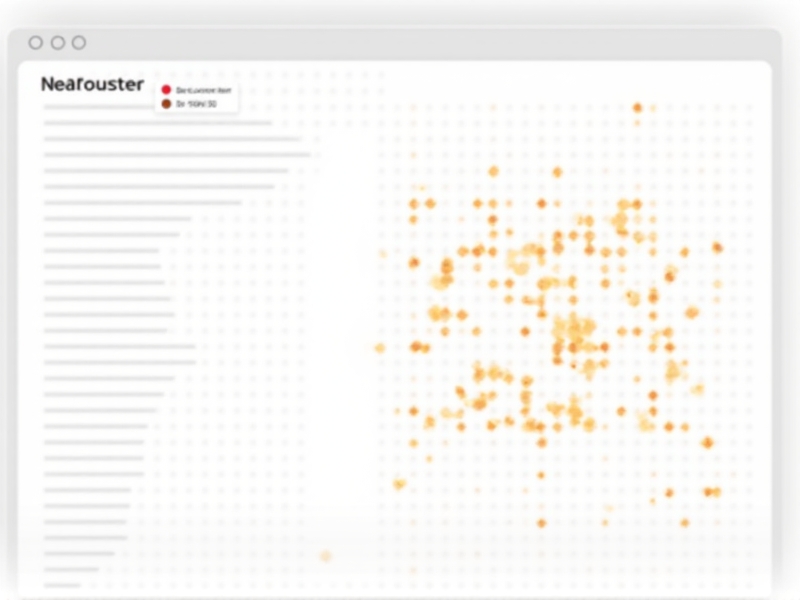
Bee Counter’s “Swarm Alerts” use machine learning to detect unusual traffic patterns, flagging potential DDoS attacks or viral content surges. The “Pollen Paths” tool maps how users navigate between pages, revealing content synergies through interactive node graphs. For A/B testing, its “Hive Split” feature measures variant performance without cookies, using server-side bucketing. Developers praise the customizable webhooks that pipe data into existing BI tools, while marketers rely on automated PDF reports styled with brand colors. The platform also offers a unique “Carbon Footprint Calculator,” estimating emissions saved by reduced data transfers compared to traditional analytics.
Navigating the Challenges: Limitations and Workarounds
Bee Counter’s privacy-centric model entails tradeoffs: it can’t track returning users across sessions or build detailed audience personas. Businesses requiring remarketing data often supplement it with first-party cookie consent popups. The platform’s free tier retains data for only 30 days, pushing high-traffic sites toward premium plans. Some users find its event-tracking syntax less intuitive than Google Tag Manager’s GUI, though community-developed plugins are bridging this gap. However, these limitations align with its philosophy—prioritizing lightweight operations over surveillance capitalism tactics. For most users, the tradeoff yields net-positive gains in speed, trust, and regulatory compliance.
The Future of Ethical Analytics: Where Bee Counter is Headed
Upcoming features include AI-generated insights that explain traffic changes in plain language, like “Tuesday’s 40% referral spike correlates with your Reddit AMA thread.” A “Honey Encryption” suite will let enterprises deploy end-to-end encrypted analytics across distributed teams. Partnerships with Brave Browser and DuckDuckGo aim to create a privacy-preserving ad network fueled by aggregated Bee Counter trends. The team is also exploring blockchain-based auditing, allowing independent verification of their no-tracking claims. As global data regulations tighten, Bee Counter positions itself not just as a tool, but as a movement reshaping how businesses interact with user data—one hexagon at a time.